Architect Keith Mock is the director of Design & Construction for The Tun Legacy Foundation. In his Q&A interview with board member Ken Hopper, you will learn more about Keith’s work designing The Tun and leading the team at Philadelphia-based architectural firm Ballinger.
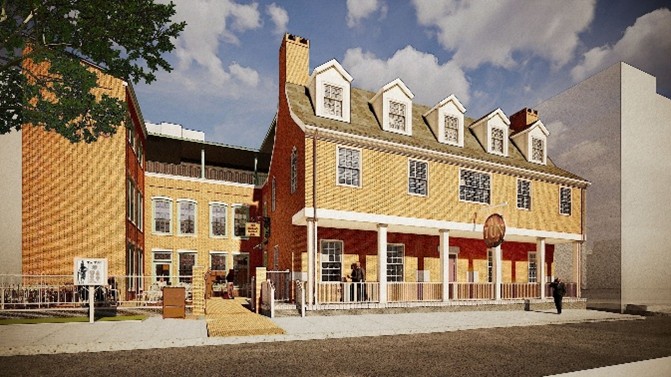
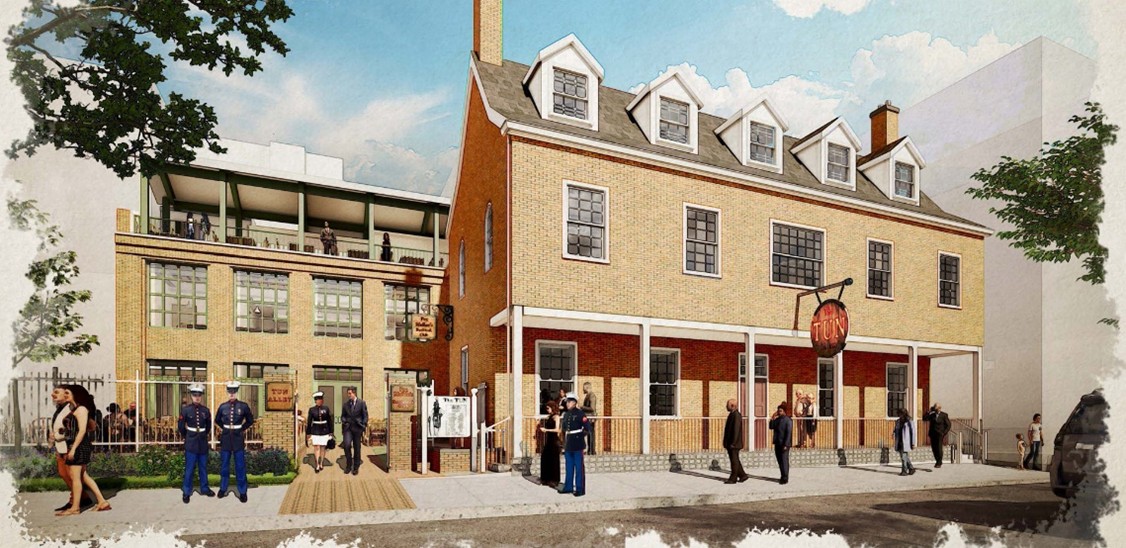
Rendering of The Tun
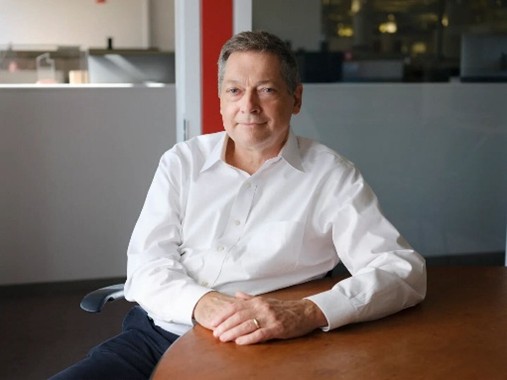
Photo courtesy of Ballinger
“The Tun offers a once-in-a lifetime opportunity to resurrect a Philadelphia institution that was a critical part of the country’s birth, purpose and legacy. Although I am personally thrilled and committed to seeing the project through completion, the importance of this project is for future generations to learn about the history of the Tun and the organizations founded there. The story to be told is about how the Tun was a key ingredient to the formation of Philadelphia, the United States and our collective culture.” – Keith Mock
KEN HOPPER: Keith, please give us some background on yourself. Who are you and how did you become an architect?
KEITH MOCK: I was raised in a small borough, Mt. Penn, Pennsylvania, where my father served as chief of police. I began my architectural journey working for an architect while in high school and ended my professional education with a master’s degree in architecture from the University of Pennsylvania. My architectural career in a design firm consisted of 15 years at Bower Lewis Thrower Architects, including three years as a partner. Following 25 years at Ballinger, mostly in the role of senior principal, where I completed my time working within an architectural firm.
KEN: Who is Ballinger?
KEITH: Ballinger is Philadelphia based and the oldest continuously operating Architectural and Engineering (AE) firm in the country, tracing their history back to 1878. Today, Ballinger is a nationally recognized AE design firm that consists of 250 architects, engineers, and interior designers.
KEN: What type of design work has Ballinger done? Where has Ballinger built projects? What is the scale of the projects?
KEITH: Over a span of nearly 150 years, the firm has designed numerous types of buildings that range from historic landmarks to technically complex buildings at a wide range of scales. The most recent and relevant built projects include the historic rehabilitation of the Corn Exchange Building at 3rd and Arch in Old City Philadelphia. The former bank is about the size of two townhouses and served as the filming location for MTV’s “The Real World,” a hit television show in 2005. At a completely different level, Ballinger designed and collaborated with Boeing industrial engineers on the rehabilitation of the CH-47 Chinook factory in Ridley Park, Pa. The project was approximately eight football fields in size and substantially improved the quality of the factory environment as well as increased production from three helicopters per month to nine helicopters per month, without an increase in building square footage.
KEN: Compared to Ballinger’s other projects, The Tun is much smaller. Why does Ballinger want to be associated with The Tun?
KEITH: Ballinger’s roots are in the Philadelphia region so our work within and for the community is important. Our interest to design and rehabilitate historically significant buildings is a part of the firm’s culture and history. The honor to advance strategic interests through the design of our clients’ buildings and workplaces, such as the Chinook helicopter factory, sustain the firm’s commitment to research and innovation that creates evidence-based, experiential design. These are the key aspects that drew Ballinger and me to The Tun project.
KEN: Is it true Members of the company drove down to Washington, D.C. and witnessed the performance of the Marines at the “8th & I” parade grounds? Tell us about that.
KEITH: Yes, it is common for Ballinger to learn and understand the client culture and the environments in which they surround themselves. That effort includes visiting facilities, research, and speaking to the client, institutional leaders and their workforce. I personally, with my wife, Linda, spent a long weekend in Washington, D.C. to learn first-hand about the Marines by attending the extraordinary demonstration at 8th and I, as well as touring the U.S. Marine Corp Museum in Quantico, Arlington National Cemetery and several Marine and military memorials.
KEN: When did Ballinger begin the design process?
KEITH: Ballinger was pleased to be selected as the Architect/Engineer in 2021. Fundraising was and continues to be a primary focus to advance design, construction and operation of The Tun. To properly manage The Tun Legacy Foundation’s resources, the design effort was phased and was completed in the spring of 2025.
KEN: You have been the lead architect since the beginning. Why is it so compelling for you to be a part of this? Why is it so important?
KEITH: I have worn several hats during my journey with The Tun. As Ballinger’s principal in charge, I led the initial planning and design of the project. At the end of year 2022, I retired from Ballinger and was immediately recruited by Pat Dailey, The Tun Legacy Foundation’s founder, to become the Foundation’s director of Design and Construction. As the owner’s design representative, I guided the Ballinger team and I will continue to serve in this role with the project Construction Manager through the completion of construction. The Tun offers a once-in-a lifetime opportunity to resurrect a national landmark that was a critical part of the country’s birth, purpose and legacy. Although I am personally thrilled and committed to seeing the project through completion, the importance of this project is for future generations to learn about the history of The Tun and the organizations founded there. The story to be told is about how The Tun was a key ingredient to the formation of Philadelphia, the United States and our collective culture.
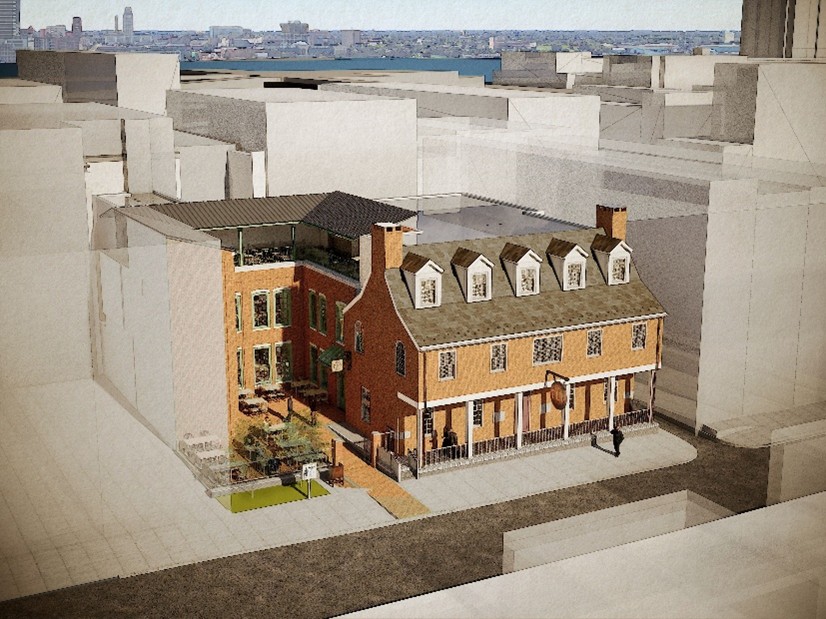
Aerial View of The Tun
KEN: The Foundation has stated we want to recreate a 17th-century mariners tavern. Who did you consult to ensure accuracy in the designing process?
KEITH: The very first task in the design process was to commission The Tun Historic Research Report, which was prepared by Richard Grubb & Associates, Cultural Resource Consultants. The report documents how The Tun was conceived to the time it was demolished due to its failing structural condition. The report documents The Tun’s owners and proprietors, notable activity and events, as well the building’s colonial-era materials and details. We then visited numerous regional 17th century taverns that continue to thrive, further researched colonial mid-Atlantic tavern history, as well conducted several visits to Historic Williamsburg. That all continues today as we reimagine the patron experience regarding how a 17th-Century mariners tavern would look, feel and smell.
KEN: There are no original drawings of floor plans and building elevations of The Tun, so how did you go about recreating The Tun design?
KEITH: Correct. Information regarding the appearance of The Tun include the images of a 19th century woodcut and numerous exterior renderings that were drawn 100 years after The Tun was demolished. These images include various architectural inaccuracies that are not found on 17th century colonial buildings but are found on 19th century buildings due to the advancement of building technology. From the use of the Research Report and the intent to largely mirror the drawn images of The Tun that are emblazed in everyone’s mind, we fine-tuned the building architecture to interpret how architectural historians would have imagined The Tun as it stood nearly 350 years ago.
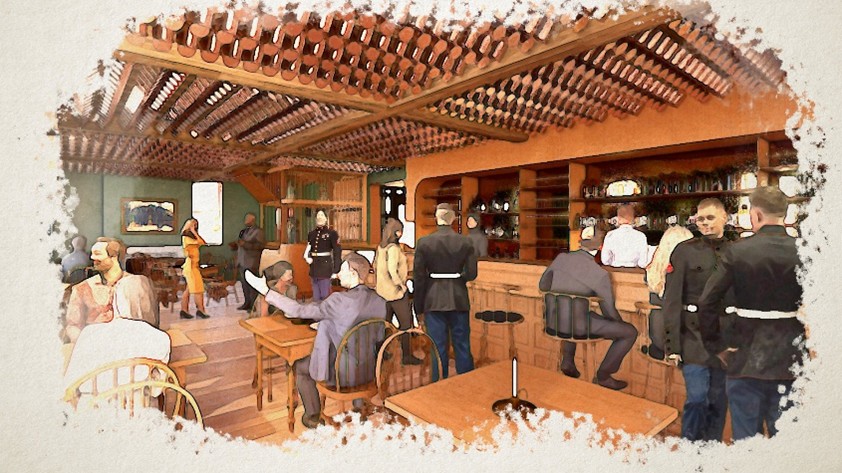
Inside The Tun
KEN: Walk us through the building. What will we see?
KEITH: First and foremost, when you arrive at The Tun, the tavern building will be a prominent freestanding structure that is a re-creation of a 17th century, colonial Philadelphia tavern that looks like the renderings everyone is familiar. Patrons will enter the tavern through a covered front porch. On the north side of the building patrons can also enter the site through Tun Alley. Tun Alley is the original cartway that residents, merchants and visitors traversed from Water Street to the first long wharf built into the Delaware River. Today’s Tun Alley will feature outdoor dining and is a place for donor recognition. The 30-foot by 50-foot tavern building consists of two public floors with colonial architecture features such as a cage bar, period furniture, rough sawn wood beams, and discreetly modernized to 21st century standards. It is understood the original tavern had a rear warehouse addition that served both the tavern and maritime activity on the Delaware River waterfront. Then, as patrons exit the rear of the tavern, they will find a two-story, 170-seat restaurant called Peg Mullan’s Beefsteak Club. This maritime industrial space will also include historic artifacts, the history of the legacy institutions founded at The Tun, as well many secrets that will thrill patrons.
KEN: What are some of your favorite elements of the design?
KEITH: The tavern building and Tun Alley are my favorite parts of the design. Although this tavern will not sit on the waterfront, the original building if built today would be under the southbound lane of I-95, the ability to place the building and alley as they were originally oriented in the Philadelphia grid of buildings, streets and alleys is an honorable gesture. The tavern exterior design was created from historic documents that described the building’s physical components and dimensions. As well, a 3-D CAD overlay of the original renderings ensured the accuracy of the proportions of the tavern’s architectural elements including the front porch, windows, dormers, roof shape and profile.
Inside The Tun
KEN: What has been the most challenging aspect of the design?
KEITH: The overall planning and the integration of architecture and engineering design solutions that maintained the colonial building character required a large team of talented designers to pull off this small but highly complex project. The organization of unique dining experiences and event rental spaces, to an efficient back-of-house service area, required creative choreography. All that – combined with the requirement to reimagine a 17th-Century mariners tavern that complies with modern day building codes, air conditioning and heating, as well accessibility for disabled patrons –required thoughtful architectural and engineering design. Despite all these challenges, The Tun will offer a comfortable, invigorating and adaptable venue for patrons today and into its future legacy.
KEN: What has been the most fulfilling for you in this project?
KEITH: Building team and partner organization relationships, as well engaging with The Tun Legacy Foundation Board and the various Building Committees. Collaborating with The Tun community partners such as the Museum of the American Revolution, Old City District community organization and Philadelphia government officials and agencies has been inspiring given their interest in The Tum. Everyone’s immense dedication to see The Tun built is extraordinarily fulfilling.
KEN: It is not as simple as designing a building and then it happens. Can you share what the process entails in designing The Tun? & Peg Mullan’s Beefsteak Club? How did you interact with the city & the Philadelphia Historical Commission?
KEITH: The Tun Legacy Foundation’s goal is to interpret a colonial period experience including food and beverage with modern-day necessities that serves everyone’s needs. The Philadelphia Historic Commission process, not unlike that of other governing agencies, building contractors and partners, requires the ability to anticipate the expectations of each audience. A collaborative process to problem-solve with all parties led and continues to lead to responsible solutions for the enjoyment of all generations.
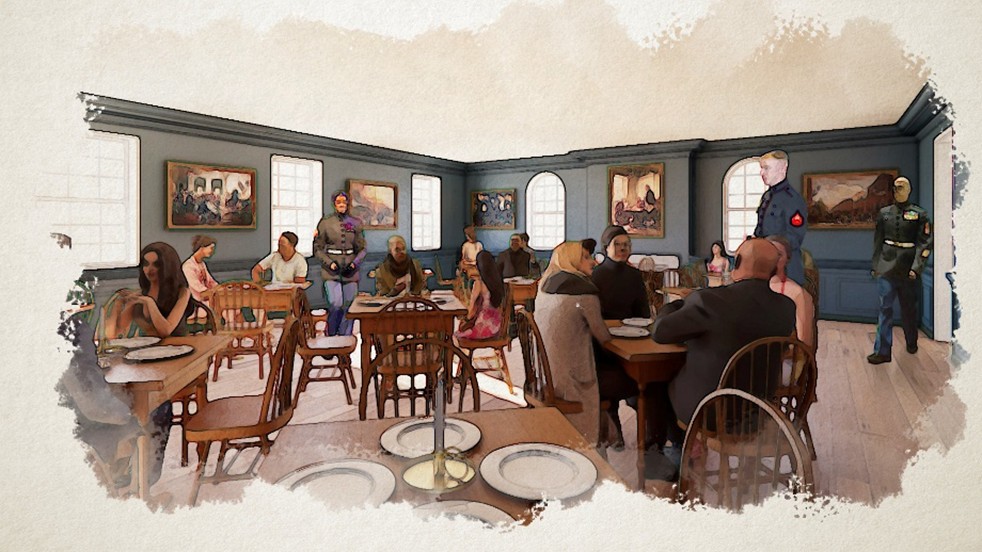
Private Dining Above The Tun
KEN: Now that the design has been finalized, who is the main contractor? Will the contractor build the project themselves or are there subcontractors?
KEITH: Wolf Scott Builders and Construction Managers is the main contractor. The contract documents prepared by Ballinger have been bid and awarded to multiple building trade subcontractors. The Tun Legacy Foundation is very pleased with the trade partner relationships that have been established with Ballinger, Wolf Scott and subcontractors as we collectively advance solutions to construct the building efficiently, at the lowest cost and with the highest degree of integrity.
KEN: What is left to accomplish?
KEITH: Fundraising is the primary focus today. Through the generosity of The Tun’s patrons, we will soon start digging to construct and open the building over an approximate period of 18 months. Then, The Tun Legacy Foundation will deliver living history experience with 100% of the net profits going to charitable causes for generations to come.
 Facebook
 Instagram
 LinkedIn
 Twitter/X